
Institutional & Emerging Ethics
Investigations into harmful decisions and the severe ethical fallout resulting from modern policy or institutional conduct. We look strictly at what the decision-makers knew at the time they acted. From there, we track the consequences to see who ultimately carried the cost of those choices.

The Ayahuasca Patent – A Case Study of US Plant Patent 5,751 and Biopiracy
US Plant Patent 5,751 stood for seventeen years despite a 1974 Field Museum herbarium sheet already recording the flower colour it claimed as novel. A study in how the patent office missed the record.

Creatine and Bipolar Risk – The Clinical Trials and Consumer Marketing Gap
Creatine trials have recorded manic or hypomanic switching in bipolar patients, while later studies excluded bipolar disorder or wider psychiatric conditions. This investigation compares that clinical record with the mood and brain-health claims used in consumer marketing.

The Missing Outcome Data for UK’s Saviour Siblings
For two decades, the UK's fertility regulator has approved 'saviour sibling' procedures without collecting any long-term data on the children's well-being or the treatment's true success rate. Our investigation reveals an evidence void at the system's core.
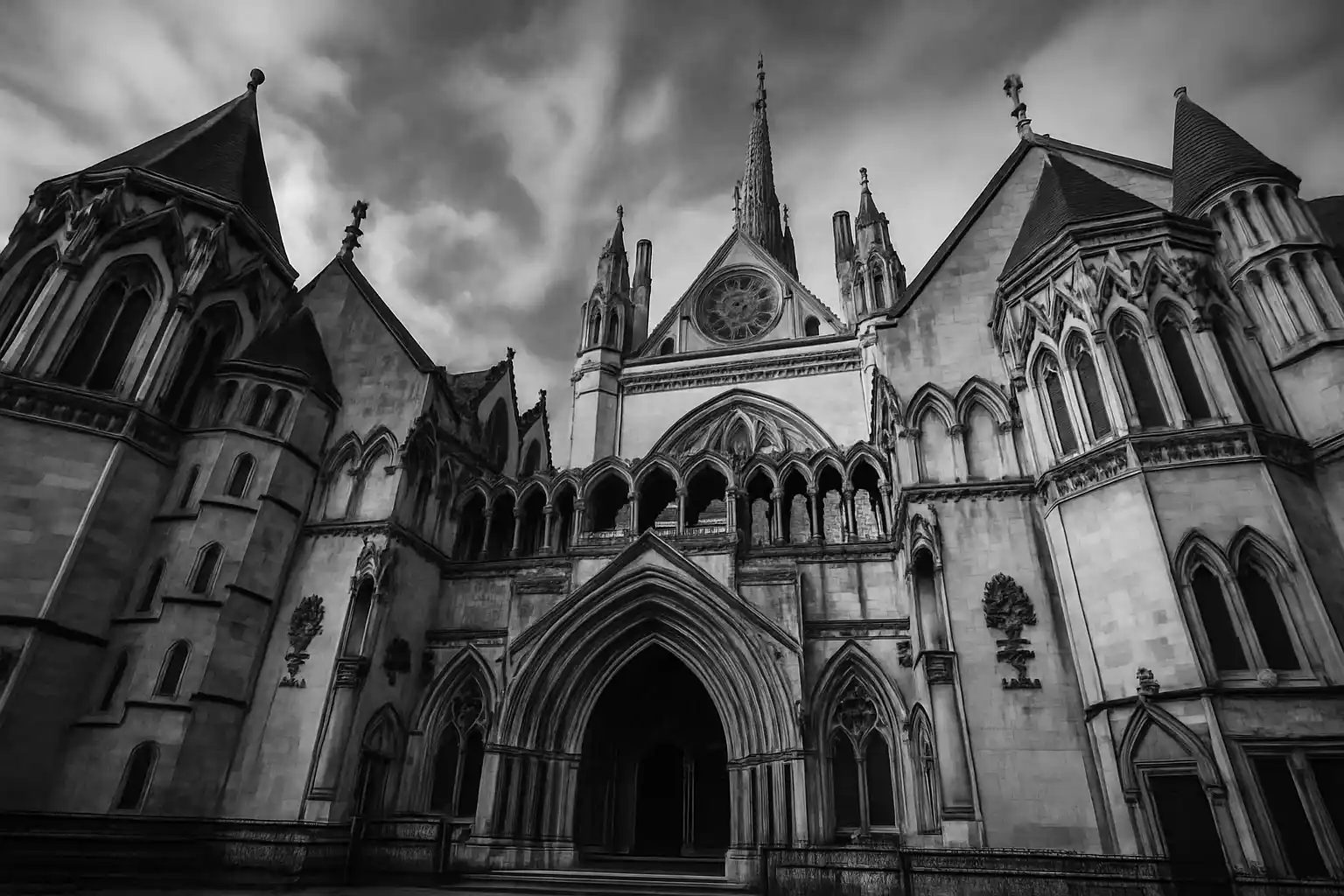
How UK Saviour Sibling Policy Was Forged by Contradiction
In 2002, the UK’s fertility regulator refused one family a ‘saviour sibling’, setting a firm ethical principle. Two years later, it quietly reversed that principle for a near-identical case, creating the inconsistent foundation of today’s law.

The Keeper’s Gamble – Systemic Failure in the Lighthouse Service
Three keepers broke their service's cardinal rule and left their lighthouse unmanned. The official report blamed a freak wave, but this investigation explores a different cause. A system in which the fear of a fine for lost equipment proved deadly.

The Hungarian Gold Train – Investigating a 1945 US Military Handling Failure
After the US military seized the Hungarian Gold Train in 1945, senior officers requisitioned identifiable looted assets for private use. A 1999 federal audit and subsequent lawsuit revealed the extent of the institutional failure.