
The Static Departure
Investigating the Failure of Brexit Deregulation
Brexit created the legal basis for a separate British regulatory system. This three-part investigation follows what happened next: the abandoned deadline for removing retained EU law, the practical constraints facing UKCA and UK REACH, and the mechanisms now used to manage regulatory divergence between the United Kingdom and the European Union.

Brexit and the Retained EU Law Dashboard – The 2023 Sunset Clause
The retained EU law inventory grew from 2,417 to 6,757 items while departments worked towards a fixed sunset deadline that the government eventually abandoned.
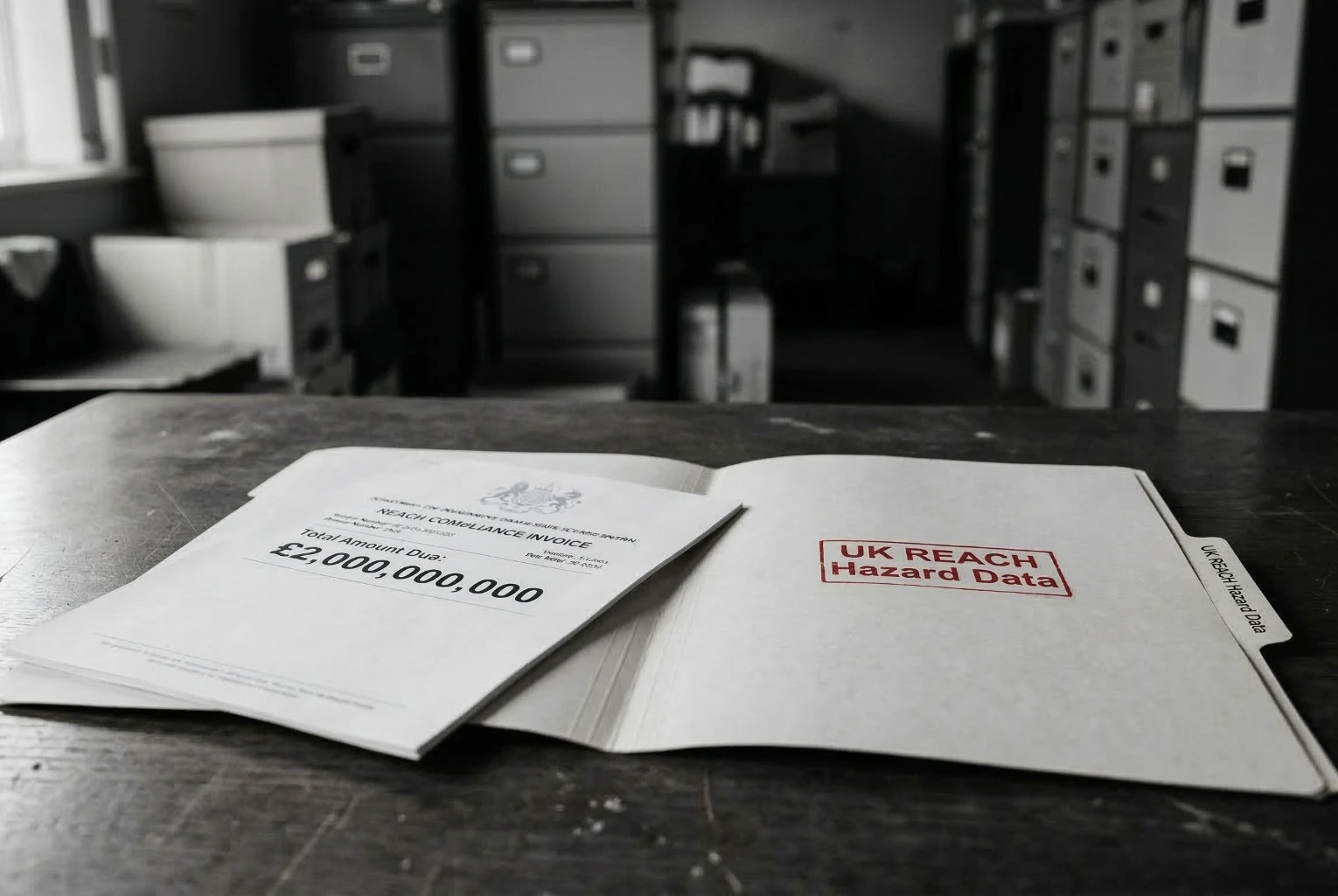
UKCA and UK REACH – Post-Brexit Regulatory Capacity Under Pressure
UKCA and UK REACH promised separate British regulatory systems. Government records show repeated extensions alongside limited specialist testing, costly chemical-data requirements and pressure on regulatory expertise.

Stormont Brake – UK Regulatory Alignment and Northern Ireland Trade
The first Stormont Brake petition tested the limits of Northern Ireland's regulatory safeguard as ministers weighed EU chemical rules, integrated supply chains and wider UK alignment powers.